
Ray Bakke and I set out to write STREET SIGNS as an autobiographical journey of two rural guys pushed and pulled to the city. We were in a sense, accidental tourists! We didn't mean to get sucked up in city life but the reality of an urban planet with over fifty percent of the population living in these urban jungles created a facination that has held our attention for many years.
The main thrust of STREET SIGNS is to tell our urban story and to write about the kind of compassionate approach we think is necessary to see positive change in these great places. We have used the word "transformation" in this book more times than is warranted, I'm sure. However, when we look at the need of our cities and our urban world, we see the need for people who work for change in people, places, and systems. The old argument that if you change people everything else will change makes a lot of sense, but we often find that a public pronouncement of personal change does not always trickle down to positive change in our communties and in the systems that often crush the soul. So, our call is for the kind of fruit in a life that produces community change and systemic change. We know this is a tall order so we keep hammering away like a carpenter pounding in that last nail at the end of a long day.
I've chosen the Apostle Barnabas as my patron saint and example of the kind of urban leader I admire. He was a risk taker and risked a great deal of his personal reputation promoting people others found scary. He was the first person to embrace the Apostle Paul in Jerusalem when he was a reputable trouble maker and a threat to the early followers of Christ. Barnabas also was first at Antioch to realize that the good news of Jesus was not just for Jewish people but also for Gentiles (outsiders). Barnabas also knew how to embrace people that many found threatening. The Barnabas kind of leadership is so necessary in our cities where cultures clash and usually crash.
Finally, we write about consulting the city because we think consulting is the best methodology for working in a city. Consulting to us is a "listening before speaking" approach. Consulting reminds us that the prophet wrote, "Come let us reason together." We need to listen to each other in the city. We need to start with the "signs of hope" and not start with the desperate needs we all know so well. "If you could show us where God is at work in your city, where would it be?" That question frames our approach to the city.
City consultations is what we are about. Ray Bakke has conducted city consultations in over 250 world class cities for over thirty-five years. His experience is vast. It has been my joy to work alongside of him while we built a graduate program for leaders from around the world. We didn't just give them information about global and urban realities but we took them to the cities of the world and immersed them into these giant centers exposing them to models of ministry, practicing mentors, and signs of hope.
Our work is consulting the city, strengthening leaders, and building networks. I hope our new work can be helpful to you.
Blessings,
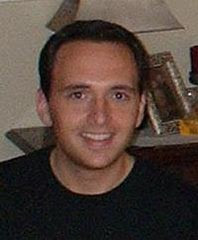
Jon Sharpe
Consulting the City




4 comments:
Wow, that is a powerful concept! I work in the city of Seattle with college students and leaders involved with college life. I feel that I must model the Barnabas Spirit as I come along these leaders to support and encourage as we all seek to serve our Lord
My wife and I are getting ready to be a part of a new work in San Diego's City Heights area. I am finding that the Spirit within the City Consultation approach has guided and shaped our philosophy and MO in significant ways. I feel like I am ready to recieve the gifts of our target area with grateful and open hands. That I am seeing assets and opportunities, rather than weaknessess that needed to be "shored up." I believe that Street Signs principles will help our church commmunity become a welcomed presence in the community. That hopefully, we will be people who are linked together in colloboration with the community, rather than yet another group of maverick do-gooders who crash and burn because they failed to realize that God's mission is actualized through interdependence. Too often we minister from agendas that become extensions of a collective ego that seeks its gratification through its Messiah complex. I look forward to sharing pieces of our journey, as we move forward.
Thanks for the insights. Being a Barnabas is a good thing! Too often people soak up the limelight and don't let others use their gifts effectively. Perhaps the key to a good leader is to create a vacuum for the Holy Spirit! JS
Sean,
I know that we often think of having borders to keep people out of our country who may do us harm. I'm sure there is good reason for this way of thinking when we view borders through a historical lens. However, should we be viewing borders the same way we did 100 years ago?
Are we safer here inside our borders when our streets are filled with dangerous people who are actually homegrown?
Perhaps we need to re-think borders and immigration as we enter the "flat world," of Thomas Friedman.
Jon Sharpe
Post a Comment